
Milford, MA Whole-Home Rewiring: Knob & Tube Costs
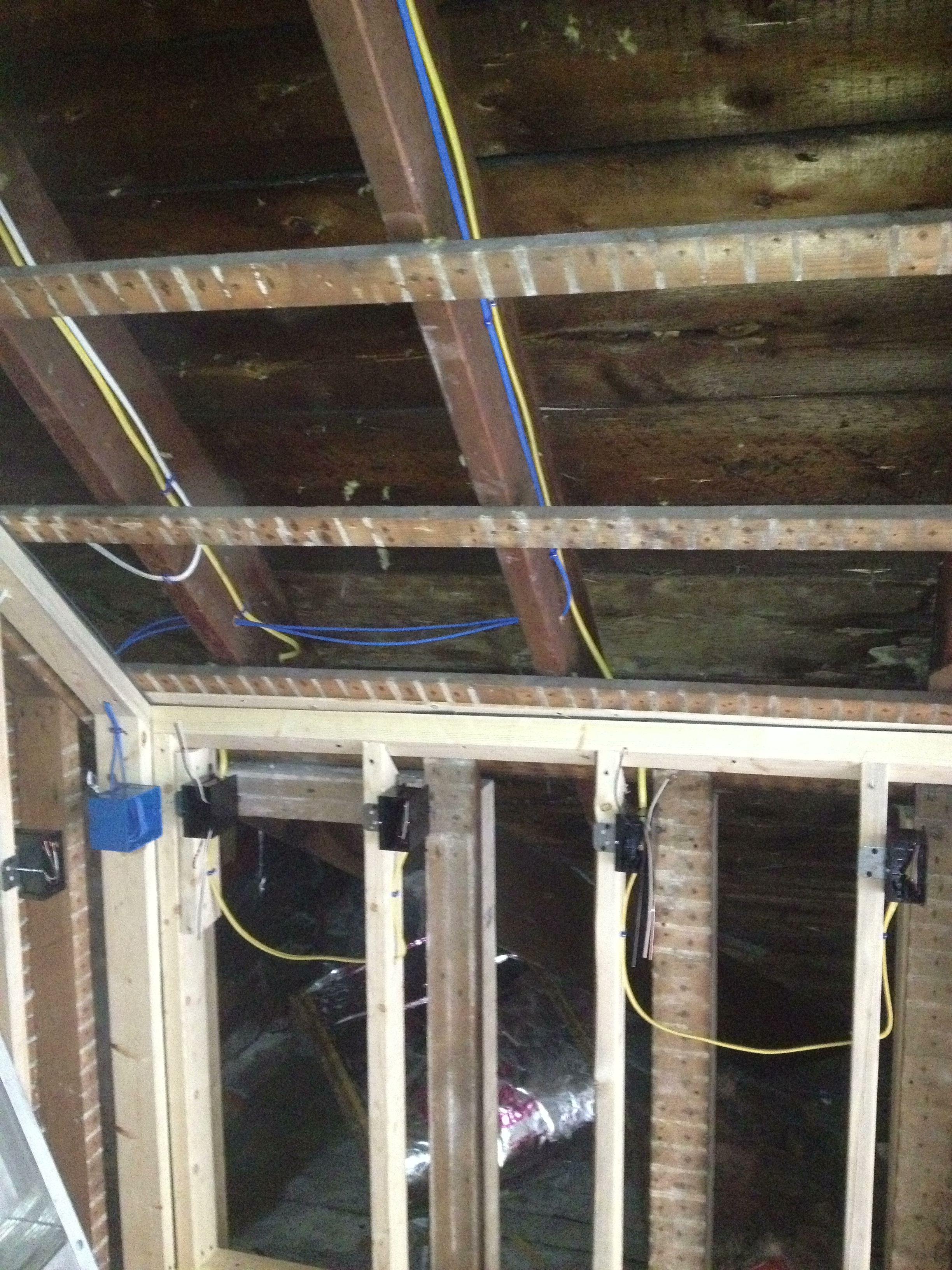
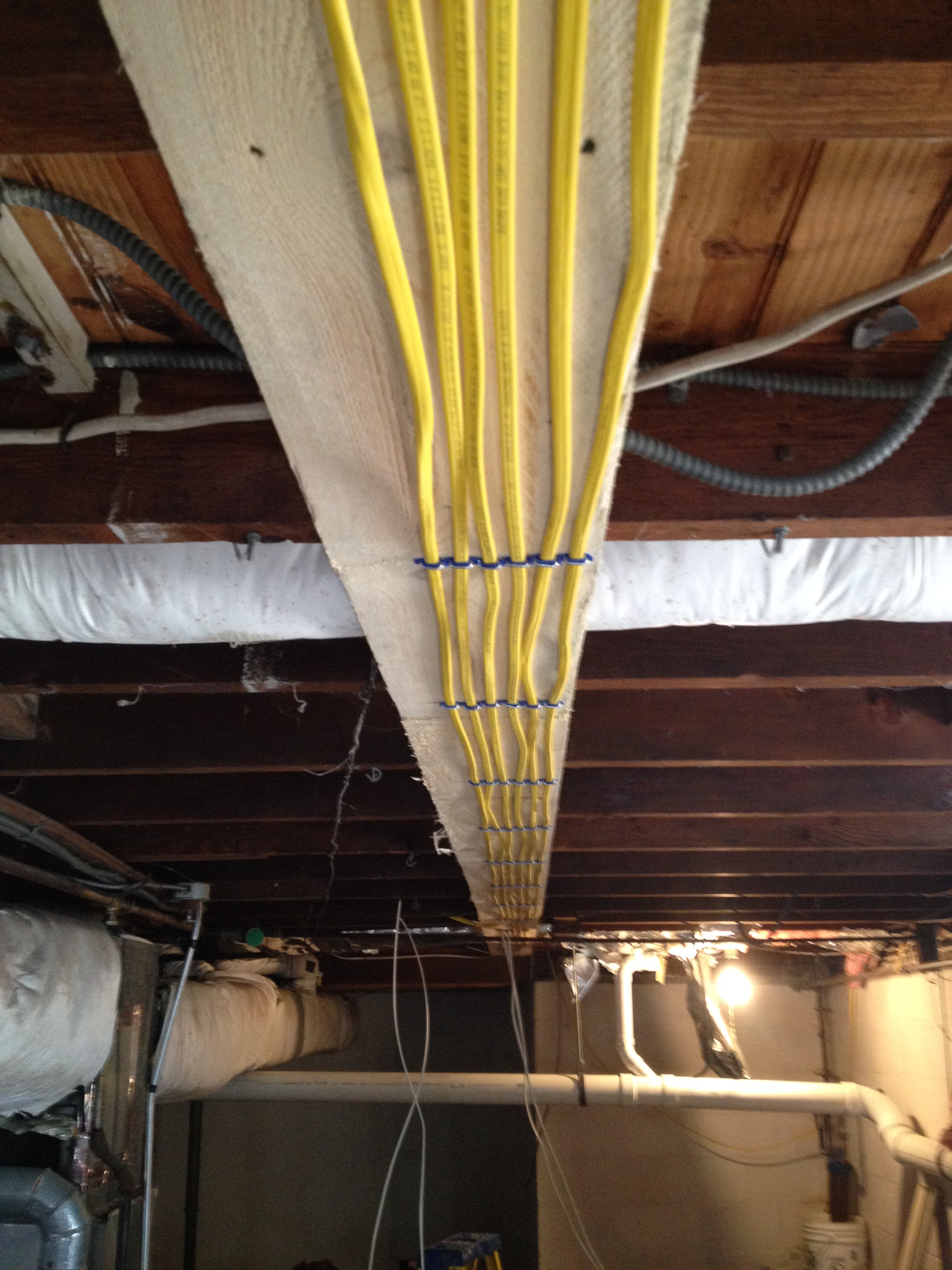
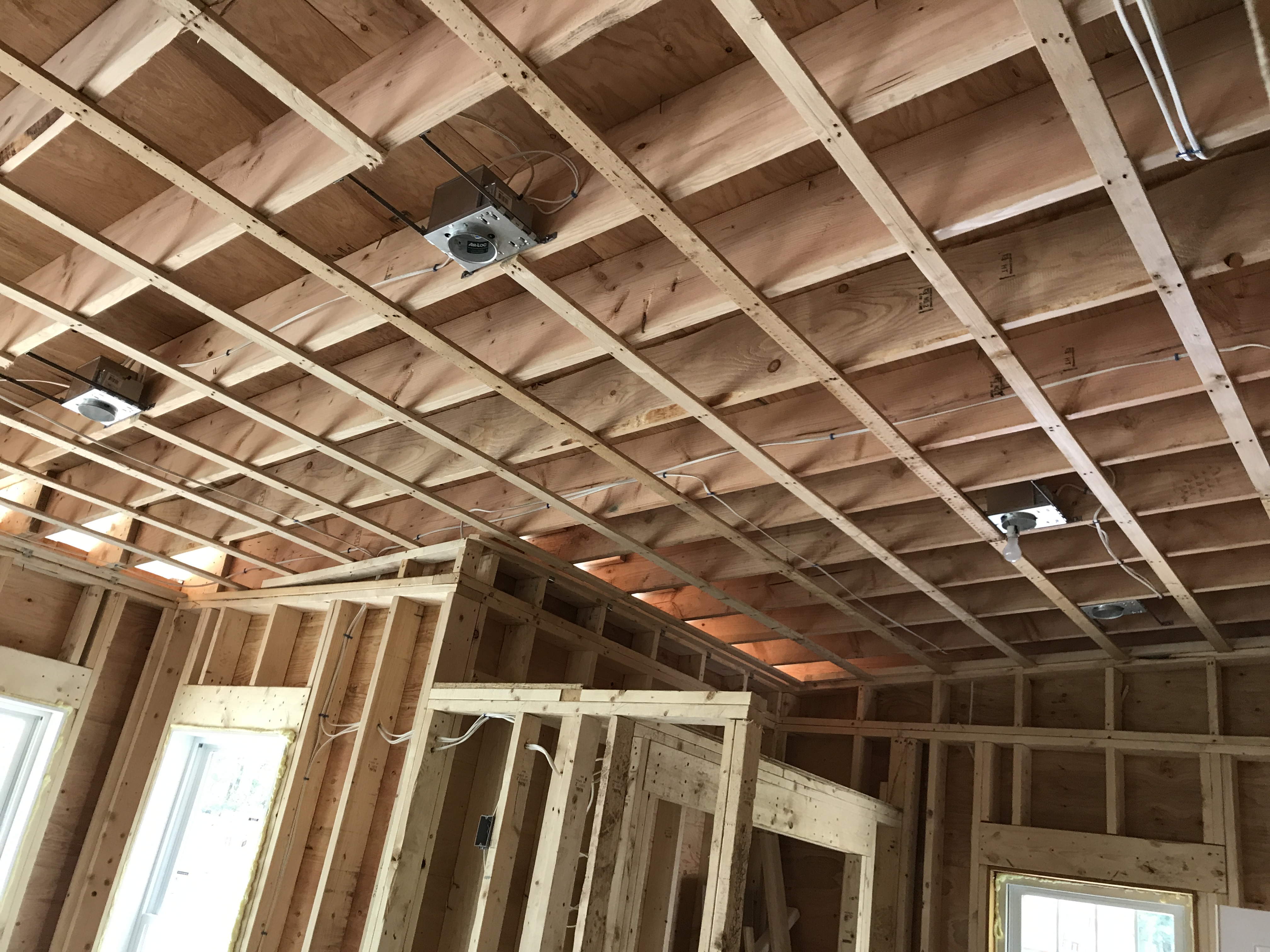
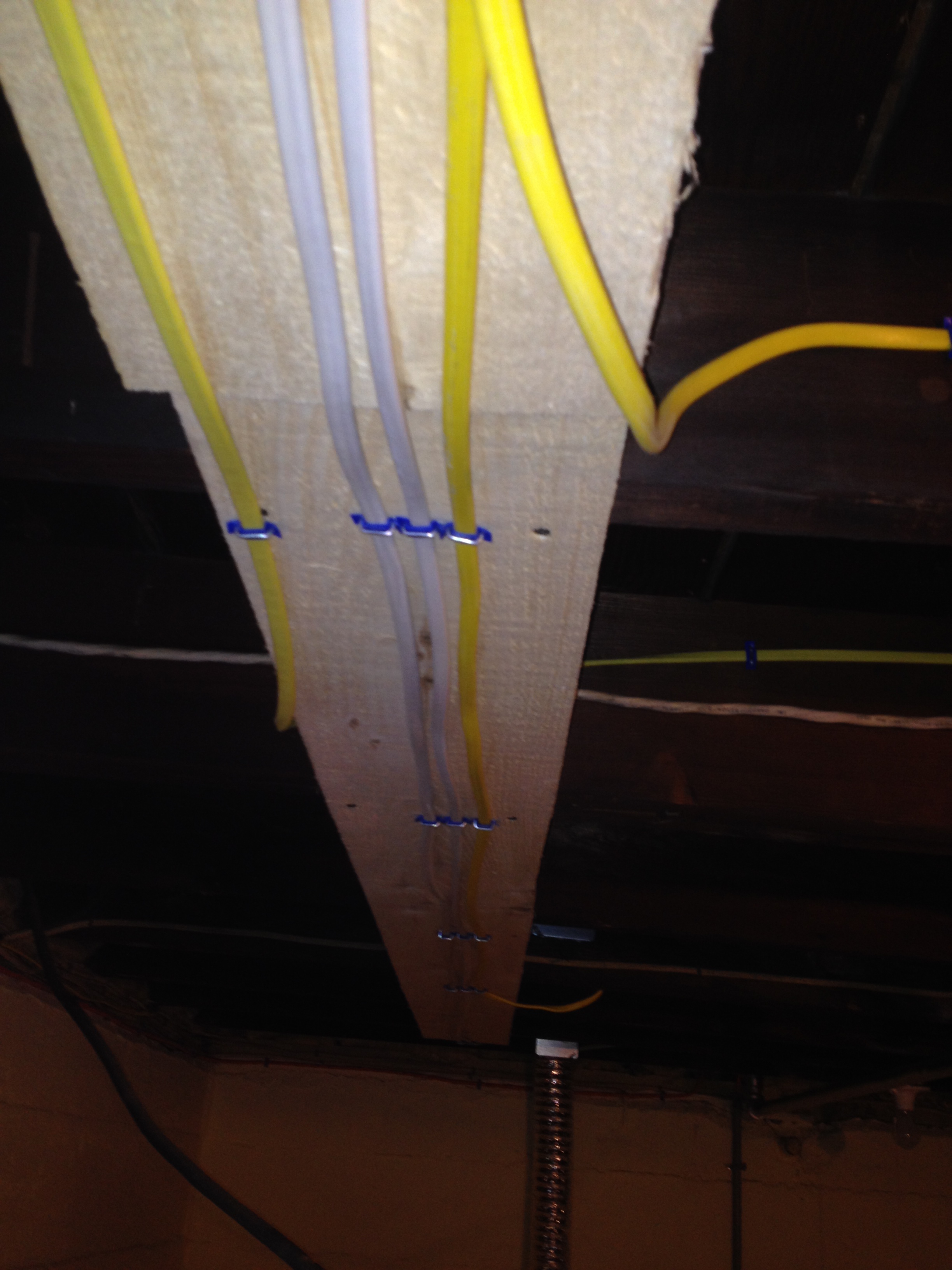
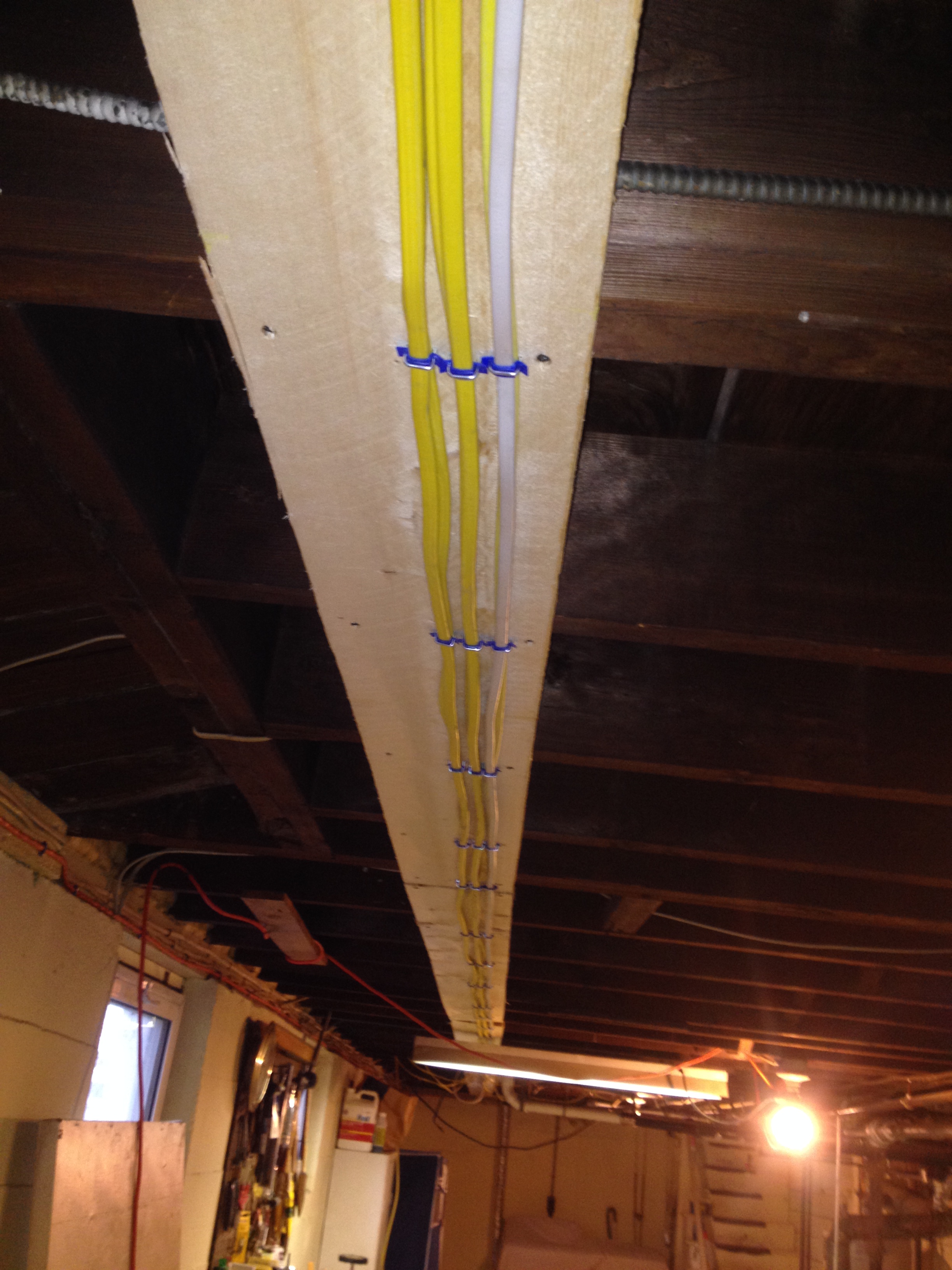
If you are researching knob and tube wiring replacement cost, you are likely weighing safety, insurance, and resale value. This guide gives clear price ranges, what drives cost, and a homeowner‑friendly process so you can budget with confidence. We also explain permits, inspections, and financing in Massachusetts, plus how our licensed team rewires older homes while protecting finishes and architectural details.
What Is Knob and Tube Wiring and Why Replace It
Knob and tube (K&T) wiring was common from the 1880s to the 1940s. It uses ceramic knobs to support single‑insulated conductors and tubes through framing. There is no equipment grounding conductor, and many systems have brittle insulation or DIY alterations from decades of add‑ons.
Why replacement rises to the top:
- Safety and grounding • No ground means higher risk for shocks and sensitive electronics. Modern circuits use grounded, jacketed cable that resists damage.
- Capacity and convenience • Old branch circuits were designed for low loads. Today’s kitchens, home offices, EV chargers, and heat pumps need more capacity and dedicated circuits.
- Insurance and resale • Many insurers add surcharges or refuse new policies when active K&T is present. A documented rewire can improve marketability.
- Code compliance • Massachusetts follows 527 CMR 12.00, based on NFPA 70. New work must meet current code requirements, including GFCI and AFCI protection where required.
Knob and Tube Wiring Replacement Cost: Typical Ranges in Massachusetts
Every home is different, but here are realistic ranges Castle Electric sees across Greater Boston and nearby suburbs.
- Small home or condo (1–2 beds, limited access): $8,500–$15,000 • 900–1,200 sq. ft. • Few complex finishes, good attic/basement access
- Mid‑size single‑family: $15,000–$28,000 • 1,300–2,000 sq. ft. • Mix of plaster and drywall, multiple circuits, basic panel updates
- Larger or complex historic home: $28,000–$55,000+ • 2,100–3,500+ sq. ft. • Thick plaster, lathe, tile, concrete walls, limited pathways • May include service upgrade and many dedicated circuits
These figures assume a full replacement of active K&T with modern grounded wiring, new receptacles and switches, required GFCI/AFCI protection, and patch‑ready access points. Decorative restoration, repainting, or custom carpentry are typically separate scopes.
What Drives the Price Up or Down
Several variables influence the total investment. During our on‑site assessment, we map these factors to create a precise, written proposal.
- Size and layout • More square footage and more rooms mean more circuits, devices, and labor hours.
- Access and construction type • Plaster over lathe, tile, or masonry and limited attic/crawl access increase time.
- Panel capacity and service size • Many K&T homes need a panel upgrade. Planning for EVs, heat pumps, or induction ranges can require service upgrades and subpanels.
- Dedicated circuits and smart wiring • Kitchens, offices, laundry, and EV chargers often require dedicated circuits. Smart‑ready structured wiring adds long‑term value but adds to scope.
- Permits and inspections • All rewires require permits. We include permit handling, coordination with your local AHJ, and inspection visits in every proposal.
- Finish protection and restoration level • Historic‑home protection adds setup, containment, and careful routing time. Patch and paint can be bundled or handled by your preferred finisher.
What a Complete Rewire Includes with Castle Electric
We treat rewires as safety projects with an eye toward future needs. Our process is transparent and methodical.
- Comprehensive inspection and mapping • Licensed electricians locate remaining K&T and assess circuits. We identify shared neutrals, overfused runs, and any hidden junctions.
- Customized plan and upfront quote • You receive a written scope, timeline, and transparent pricing. No surprises, and we stick to the contract.
- Safe removal of obsolete wiring • We carefully remove older materials and protect finishes. Our team is experienced with Victorians, Capes, and triple‑deckers across Greater Boston.
- Install modern grounded wiring and devices • We route new circuits that meet or exceed Massachusetts Electrical Code, add grounding, and install tamper‑resistant, GFCI/AFCI‑protected devices as required.
- Panel upgrades and circuit expansion • If needed, we upgrade the panel, add capacity, and plan for EV charging, heat pumps, and smart home systems.
- Surge protection and labeling • Whole‑home surge protection reduces risk to appliances and electronics. We fully label your panel for clarity.
- Patching, testing, and documentation • Access points are patch‑ready. We test every updated circuit and provide written documentation, which helps with insurance and resale.
- Permits and inspections • We handle all permitting and inspection requirements and are present for final sign‑off.
Cost Examples by Scenario
Here are sample scenarios to help you benchmark your home. Final pricing follows an on‑site assessment.
- 1,100‑sq‑ft condo in Quincy • Replace active K&T in bedroom and living areas, add grounded outlets, update two small appliance circuits in kitchen, install GFCI protection. No panel change. Typical: $10,000–$14,000.
- 1,800‑sq‑ft Newton Colonial • Full rewire, add dedicated 20A kitchen circuits, laundry circuit, office circuit, whole‑home surge, minor panel tidy‑up. Typical: $18,000–$26,000.
- 2,800‑sq‑ft Cambridge Victorian • Full rewire with careful finish protection, panel upgrade, EV‑ready circuit to detached garage, smart‑ready low‑voltage pathways. Typical: $32,000–$48,000.
Timeline: How Long Does a Rewire Take
Most projects take 3 to 10 business days depending on size, access, and restoration needs.
- Planning and permitting: 2–7 days (varies by city)
- On‑site work: 3–10 days
- Inspection and wrap‑up: 1–3 days after completion
Local detail: Boston Inspectional Services, Newton Inspectional Services, and Cambridge ISD have different turnaround times. We submit promptly and schedule inspections to keep your project moving.
Massachusetts Code and Compliance Basics
Two hard facts guide every job we do.
- Massachusetts Electrical Code 527 CMR 12.00 adopts NFPA 70 and governs electrical installations statewide. New wiring must meet current requirements, not the rules in place when K&T was installed.
- Modern protection devices reduce risk. GFCI is required in areas like kitchens, baths, garages, and outdoors, and AFCI is required for many living areas under current code. These devices, when properly installed, significantly reduce shock and arc‑fault hazards.
Because we install to today’s standards, rewires often include new breakers, receptacles, and labeling to match code and simplify future service.
How to Control Costs Without Cutting Corners
You can make smart choices that keep the project efficient while preserving safety and code compliance.
- Prioritize circuits • Target high‑load and high‑risk areas first if phasing the project. Kitchens, baths, and laundry rooms lead the list.
- Bundle upgrades • Combine panel work, EV‑ready wiring, and surge protection during the rewire to avoid return visits and extra permit fees.
- Plan access in advance • Clearing attic and basement paths reduces labor time. Sharing paint colors or having a finisher queued up keeps momentum.
- Choose durable, smart‑ready options • During a rewire, running a few low‑voltage or data lines is cost‑effective compared to opening walls later.
Financing and Payment Options
Safety projects should never be delayed for budget reasons. We offer financing, including options like 0 percent interest for 12 months for qualified homeowners, and flexible monthly payments. Your written proposal outlines costs, deposit, progress payments if needed, and your financing path.
Insurance, Documentation, and Resale Value
Many carriers scrutinize homes with active K&T. A completed rewire with documentation can simplify underwriting, reduce headaches during renewal, and add buyer confidence during a sale.
What you receive from Castle Electric after completion:
- Written documentation of the work completed
- Panel and circuit labeling
- Permit and inspection confirmations
- Photos of key upgrades upon request
These records make future service calls faster and support disclosure packages during listing.
The Risk of Partial Rewires and DIY Patches
Mixing new grounded wiring with segments of old K&T can leave hidden hazards, especially where neutrals are shared. DIY splices or buried junctions often lead to nuisance tripping, overheating, or failed inspections. Our electricians identify legacy tie‑ins, replace unsafe segments, and bring everything to a clean, testable finish that passes inspection.
How to Choose the Right Electrical Contractor
Use this checklist to protect your investment.
- Licensing and insurance • Ask for license numbers and proof of insurance. Verify familiarity with Massachusetts Electrical Code.
- Historic‑home experience • Request examples from homes like yours. Victorians, Capes, and triple‑deckers need careful routing and finish protection.
- Written scope and price • Require a room‑by‑room scope, device counts, and a clear change‑order policy. Avoid vague allowances.
- Permit handling • The contractor should pull permits and attend inspections. Confirm timelines with your city.
- Documentation and warranties • Ensure you’ll receive labeled panels, test results, and a workmanship guarantee.
Castle Electric checks all boxes and communicates proactively with SMS appointment confirmations, tech photo IDs, and live tracking links so you know who is arriving and when.
Our Rewiring Process, Step by Step
- Comprehensive inspection and mapping
- Customized plan and written quote
- Safe removal of obsolete wiring
- Installation of grounded circuits and modern devices
- Panel upgrades and circuit expansion
- Whole‑home surge protection
- Patching, testing, and documentation
- Final inspection and sign‑off
We also recommend a routine electrical check every 3–5 years after your rewire to tighten terminations, test protection devices, and maintain warranty coverage.
Budgeting Snapshot: Line Items You’ll See on a Proposal
- Labor and project management
- Materials: cable, boxes, devices, breakers, surge protector
- Panel or service upgrade, if applicable
- Permit fees and inspection coordination
- Clean‑up and protection materials
- Optional: smart switches, dimmers, occupancy sensors, EV‑ready runs
A transparent proposal helps you compare apples to apples across bids while protecting code compliance and finish quality.
When Is the Best Time to Tackle a Rewire
- Before a kitchen or bath remodel • Avoid opening new finishes later.
- During seasonal lulls at home • Plan when you can shift furniture and be present for milestones.
- Prior to listing your home • Documentation simplifies negotiations and may speed up underwriting for buyers.
What to Expect During the Work
We set up protection, communicate daily, and keep you living safely in the home when possible. You’ll get status updates, and if we uncover hidden conditions, we present solutions promptly with transparent pricing before proceeding. At the end, you receive test results, labeled circuits, and a walkthrough of the new system.
Special Offers to Make Safety Affordable
- $95 Home Wiring Assessment: A licensed technician inspects visible wiring, evaluates your home’s electrical system, and presents clear options.
- Free Written Proposal: Get a no‑obligation, line‑item estimate for your knob and tube replacement.
Call (781) 762-9891 or visit http://www.castleelectric.biz/ to claim either offer when you schedule. Mention this guide for priority booking.
What Homeowners Are Saying
"Eoin and Rob were great to work with! We did a major job of rewiring our whole house/upgrading our panel and they managed unforeseen barriers of dealing with an old house with concrete walls in stride. They were thorough and communicated well along the way. I would highly recommend them!"
–Val V., Whole‑Home Rewiring
"We had a major rewiring job that we needed to get done on our house. The team at castle have use a fair estimate and gave us an excellent break down of the job. The job turned out to be harder then expect and during the job kept us up to date on what exactly was going on. The wiring work was clean and they left our house in fantastic condition after it was done. We will be using them again for any electric work we will be doing in the future."
–Jonathan V., Whole‑Home Rewiring
"He took the time to completely rewire the box instead of just replacing one switch. ... I will be calling this company again! Thanks Josiah!"
–Rachel R., Panel Rewiring
Frequently Asked Questions
How much does knob and tube replacement cost in Massachusetts?
Most homes fall between $8,500 and $55,000 depending on size, access, panel capacity, and finishes. A written on‑site assessment is the only reliable way to price your exact scope.
Will I need to upgrade my electrical panel?
Often yes. Many K&T homes lack capacity for kitchens, EV charging, and heat pumps. We evaluate service size and panel space, then design for current and future loads.
How long will I be without power during a rewire?
Power is typically off in specific areas while we work, with full shutdowns during panel changes. Most homes have daily power restored by evening. We coordinate around your schedule.
Do you handle permits and inspections?
Yes. We pull permits, coordinate with your city’s inspector, and attend final sign‑off. Your completion documents include inspection confirmation and test results.
Can I rewire in phases to spread out the cost?
Yes. We can prioritize life‑safety and high‑load areas first, then return for remaining spaces. Phasing is common when remodeling or planning EV and HVAC upgrades.
The Bottom Line
Replacing knob and tube is a safety upgrade that also boosts insurability and resale value. Expect a range between $8,500 and $55,000+ based on size, access, and panel needs. For a precise number, schedule a licensed assessment. Castle Electric handles permits, installs to Massachusetts code, and protects your home’s finishes every step of the way.
Call, Schedule, or Chat
Ready for a written, no‑pressure estimate on knob and tube wiring replacement cost in Greater Boston? Call (781) 762-9891 or book at http://www.castleelectric.biz/. Ask for the $95 Home Wiring Assessment or your Free Written Proposal today.
Call (781) 762-9891 or visit http://www.castleelectric.biz/ to schedule your assessment now. Mention this guide for the $95 Home Wiring Assessment or a Free Written Proposal.
About Castle Electric Inc.
Local, licensed, and fully insured. Our team specializes in whole‑home rewiring, panel upgrades, and historic‑home projects across Greater Boston. We provide written, upfront pricing, handle permits and inspections end to end, and install to current Massachusetts Electrical Code (527 CMR 12.00). Enjoy on‑time arrivals, clean work, and a workmanship guarantee backed by hundreds of 5‑star reviews.
Sources12
Source links open in a new tab.
- $50 Off Any Service *Must mention this offer to receive discount on services. Cannot be combined with any other offers, coupons, or discounts. OFFER EXPIRES IN 00 DAYS 00 HRS 00 MINS 00 SECScastleelectric.biz (opens in a new tab)
- 0% Interest for 12 Months Available. We work with a trusted financing partner to make sure every homeowner can afford safe, code-compliant electrical work.castleelectric.biz (opens in a new tab)
- $50 Off Any Servicecastleelectric.biz (opens in a new tab)
- $95 Service Callcastleelectric.biz (opens in a new tab)
- Happy comment by Omonike Craytongoogle.com (opens in a new tab)
- Happy comment by Donna Briongoogle.com (opens in a new tab)
- Happy comment by Thomas Entrikingoogle.com (opens in a new tab)
- Happy comment by allen hallmarkgoogle.com (opens in a new tab)
- Electrician Walpole MA - Emergency Electrician Near Me - Licensed Electrical Services - Electrical Repair - Electrical Installation & Replacement | Castle Electriccastleelectric.biz (opens in a new tab)
- Lighting Needham MA - Lighting Installation - Lighting Repair - Indoor Lighting - Recessed Lighting - Outdoor Lighting - Landscape Lighting - Smart Lighting | Castlecastleelectric.biz (opens in a new tab)
- Electrician Stoughton MA - Emergency Electrician Near Me - Licensed Electrical Services - Electrical Repair - Electrical Installation & Replacement - Electrical Panels - Generator Installation | Castle Electriccastleelectric.biz (opens in a new tab)
- Electrician Sharon MA - Emergency Electrician Near Me - Licensed Electrical Services - Electrical Repair - Electrical Installation & Replacement | Castle Electriccastleelectric.biz (opens in a new tab)