
Milton, MA Electrical Panel & Service Upgrades — Fuse Help
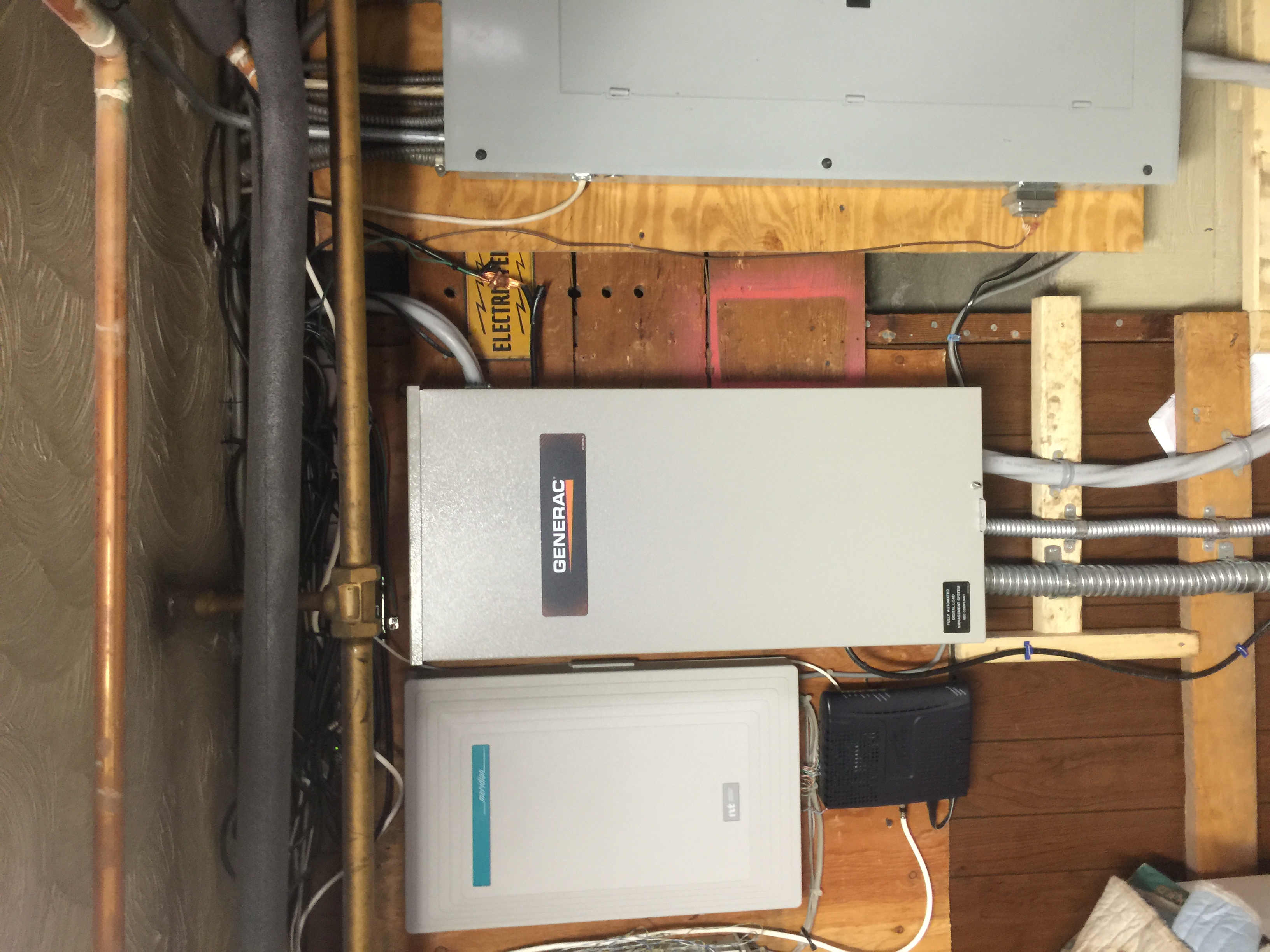
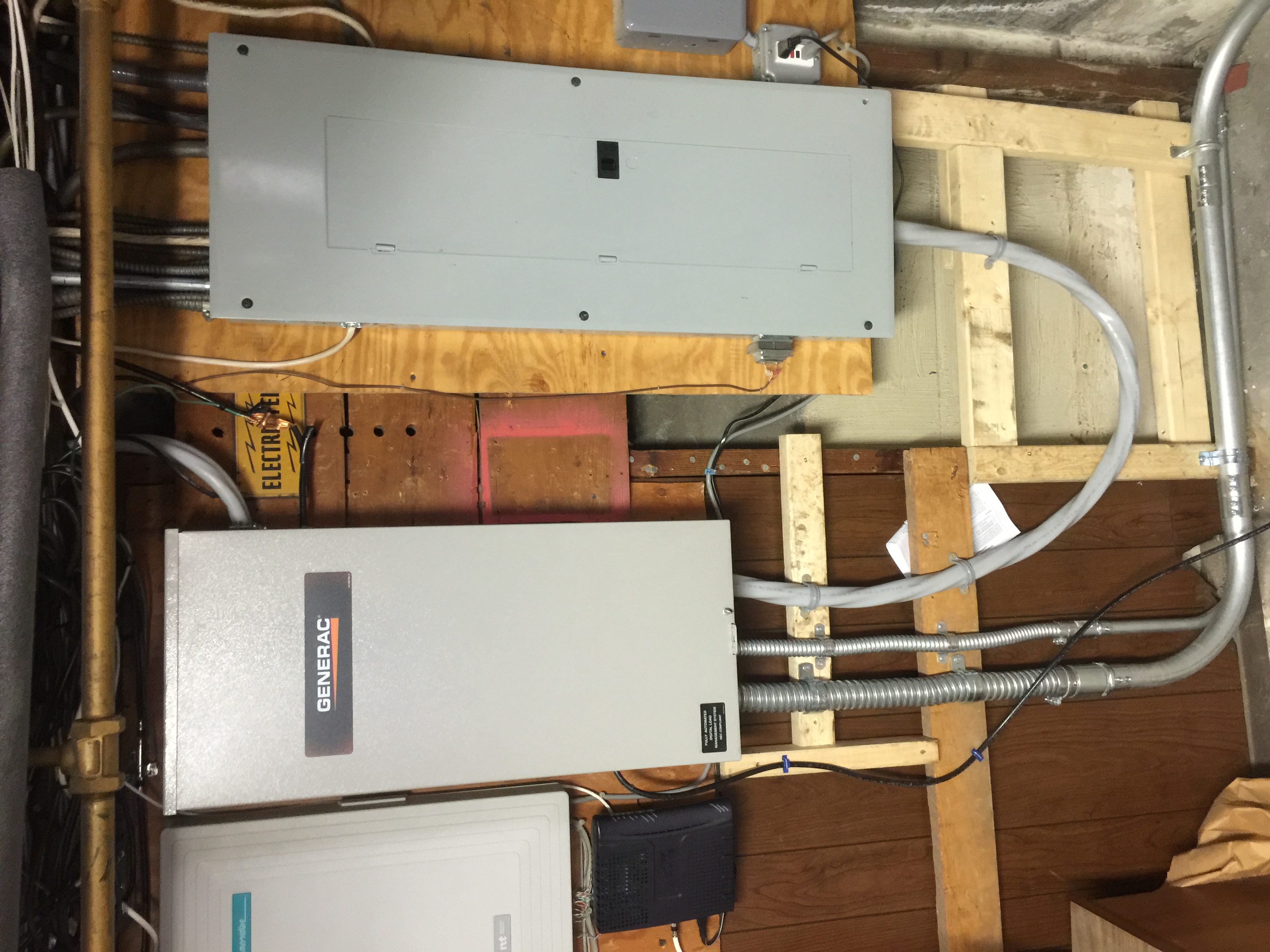
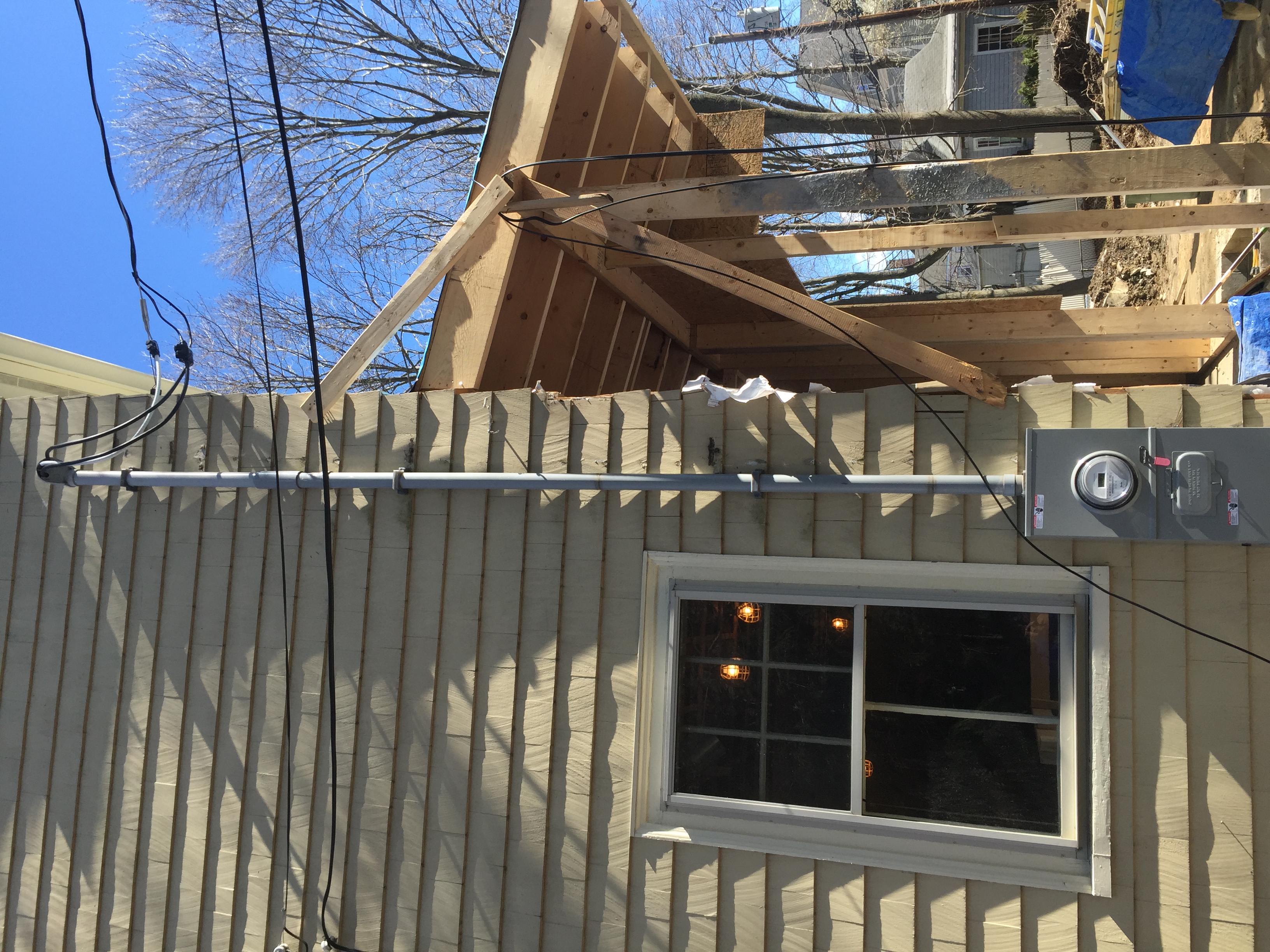
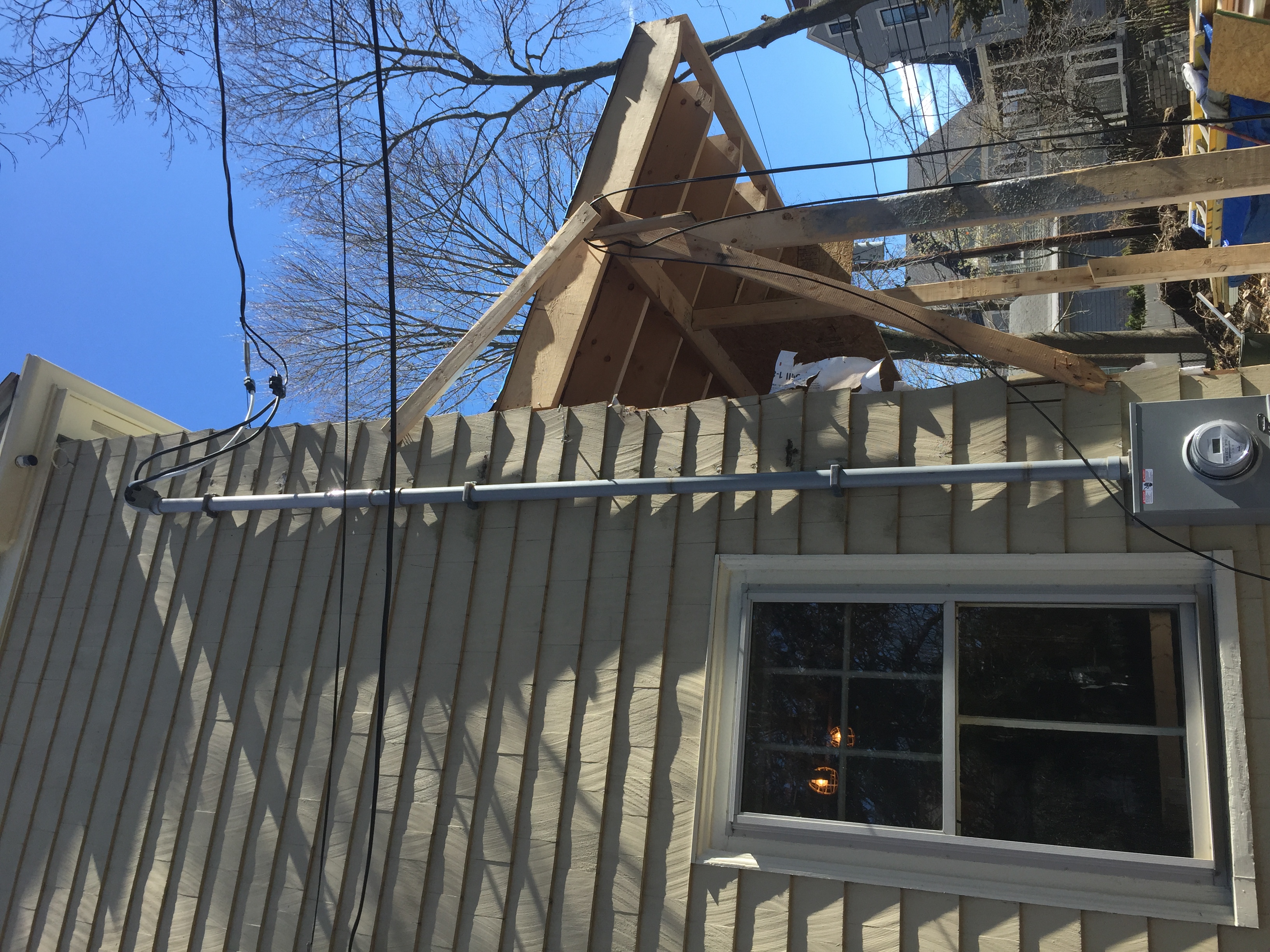
Blown fuse. Dark room. Now what? If you are wondering how to change a fuse in an old fuse box, this guide walks you through safe, step‑by‑step basics, plus the signs you should call a licensed electrician. We will also cover how to match the right fuse to the circuit and why many Eastern Massachusetts homeowners choose to upgrade to a modern breaker panel for better safety and capacity. Keep a coupon handy below if you decide to upgrade.
Before You Begin: Safety First With Fuse Boxes
Old fuse boxes can work safely when used correctly, but they offer less protection than modern breaker panels. Many Massachusetts homes built before the 1960s still have 60‑amp services and Edison‑base screw fuses. When a circuit overloads, a properly sized fuse sacrifices itself to protect the wire. Problems begin when the wrong fuse size is used or when a loose connection overheats.
Follow these non‑negotiable safety rules:
- Turn off the main switch if your fuse box has one. If there is no main, turn off all branch circuits before handling any fuse.
- Stand on a dry, insulated surface and work with dry hands. Use a flashlight so you can see clearly.
- Never replace a fuse with a higher amp rating. Doing so risks fire because the fuse may allow too much current for the wire size.
- Keep the panel cover on. Only remove individual fuses or pull‑out blocks as designed by the manufacturer.
- If you hear buzzing, smell burning, or see scorch marks, stop and call a licensed electrician immediately.
Two hard facts to keep in mind:
- Type S rejection‑base adapters and fuses were specifically designed to prevent over‑fusing. Once installed, only the correct amp fuse will fit that circuit.
- Level 2 EV chargers typically require a dedicated 240‑volt circuit and can push older 60‑amp services past their limit. Upgrading your service to 200 amps is a common solution we install across the region.
Local tip: Many Boston‑area triple‑deckers and older colonials still have legacy fuse equipment. Space constraints and knob‑and‑tube remnants can complicate DIY work. A pro can evaluate wire size, box condition, and grounding so your fix is safe and code‑conscious.
Identify the Right Replacement Fuse
Before changing any fuse, confirm the correct type and amp rating for the circuit:
- Standard plug fuses: Fit Edison‑base sockets. Common ratings are 15A, 20A, and 30A.
- Type S fuses: Use a threaded adapter that only accepts the correct amp fuse. This prevents oversizing a fuse on smaller wires.
- Cartridge fuses: Typically used for larger appliances or main pull‑out blocks. These sit in a removable holder.
How to choose the correct amp rating:
- Read the label next to the fuse socket. Many boxes list the intended rating per circuit.
- Match the fuse to the circuit wire size. As a rule of thumb, 15A is typical for 14‑gauge lighting circuits, and 20A is common for 12‑gauge receptacle circuits. Do not guess. If you cannot confirm wire gauge and intended load, call a pro.
- If the box uses Type S adapters already, buy the matching Type S fuse. Do not try to defeat the adapter.
Pro insight: If a circuit keeps blowing fuses even with the correct rating, you likely have a deeper issue such as a short, a loose connection, or an overloaded circuit. Swapping fuses will not fix the root cause.
Step‑by‑Step: How To Change a Plug‑Type Fuse Safely
This process is for a standard plug fuse in a residential fuse box. If you have cartridge fuses or a main pull‑out, see the next section or call for help.
- Turn off the main switch if present. If there is no main, turn off all branch circuits first.
- Identify the blown fuse. Look for a visibly melted metal element or a cloudy window on the fuse face.
- Unscrew the blown fuse by hand. Turn counterclockwise. Do not pry with metal tools.
- Inspect the fuse socket for heat damage. Darkening or a brittle, cracked socket is a red flag.
- Install the correct replacement fuse. Turn clockwise until snug. Do not overtighten.
- Restore power. Turn the main back on or turn on only the circuit you are testing.
- Test your lights or outlets. If the fuse blows again, stop and call a licensed electrician.
Good practice checklist:
- Label the circuit if it is not already labeled.
- Keep spare fuses of the correct ratings on hand.
- Consider installing Type S adapters to prevent over‑fusing on smaller circuits.
Replacing a Cartridge Fuse or Pull‑Out Block
Some boxes use cartridge fuses for large appliances or as a main disconnect. Cartridge fuses sit inside a pull‑out block, typically labeled LINE and LOAD. If you are unsure which is which, stop and call a pro.
Steps:
- Grip the pull‑out block and remove it fully. Power downstream should go off.
- Open the block and note fuse orientation. Some fuse holders are spring‑loaded.
- Replace both fuses as a matched set using the correct rating printed on the block.
- Reinsert the block firmly. Do not force it. Loose seating can cause heat and arcing.
- Restore power and test.
Warning signs that require a professional visit:
- Heat discoloration on the block or stabs.
- Repeated fuse failure after correct replacement.
- Cracked bakelite or brittle plastic components.
Why Fuses Blow and How to Prevent Repeat Problems
Fuses open for a reason. Find the cause before you reset the circuit.
Common causes:
- Overload from space heaters or hair dryers on lighting circuits.
- Short circuit caused by a damaged cord or miswired device.
- Loose connections at the fuse socket or in a junction box.
- Old aluminum branches or aged insulation increasing resistance and heat.
Prevention tips:
- Move high‑draw devices to a dedicated circuit.
- Replace damaged cords and worn receptacles.
- Have a licensed electrician tighten or repair loose connections.
- Consider a panel modernization or subpanel to spread loads.
Hard fact: A 1500‑watt space heater at 120 volts draws about 12.5 amps. On a 15‑amp lighting circuit already feeding lights and outlets, that heater alone can push you close to the limit.
When a Simple Fuse Change Is Not Enough
Call a professional if you see any of the following:
- Frequent fuse blows on the same circuit.
- Scorch marks, buzzing, or a burning smell near the panel.
- Mismatched fuses and wire sizes, or evidence of oversizing fuses.
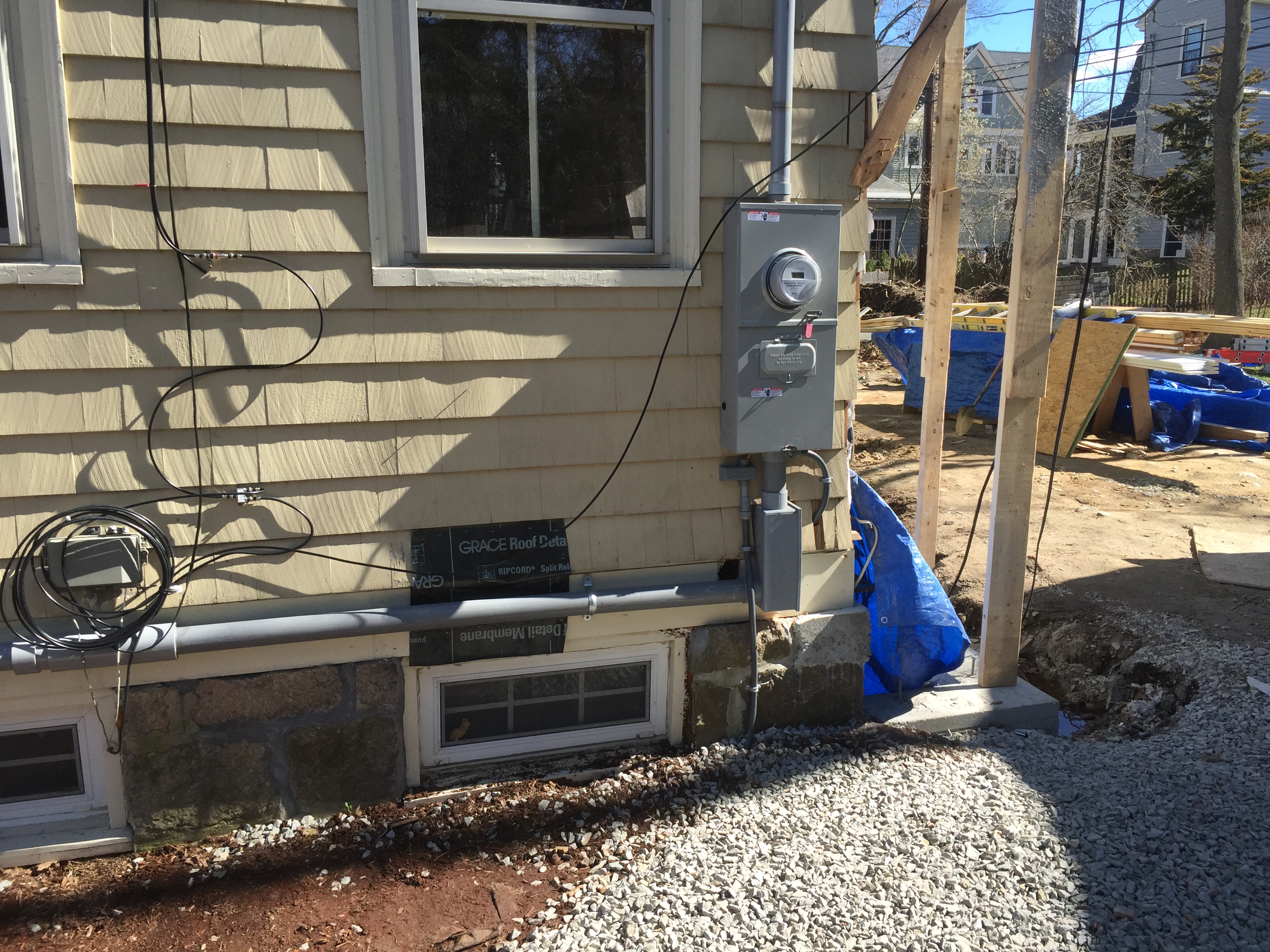
- Signs of water intrusion at the service entrance or meter base.
- No grounding or bonding conductor present at the panel.
In older Massachusetts homes, we often find stacked add‑ons, non‑grounded circuits, and heavy new loads from EV chargers or heat pumps. A service upgrade to 200 amps or the addition of a subpanel can solve chronic overloads and improve safety.
Modern Options: Panel Replacement, Subpanels, and Smart Panels
If you are tired of hunting for fuses or your box shows age, consider these upgrades:
- Electrical panel replacement and upgrades: Swap aging fuse equipment for a modern breaker panel with AFCI and GFCI protection where required by current code.
- Subpanel installation: Add circuits for additions, garages, or an EV charger without replacing the whole service when capacity allows.
- Service upgrades: Move from 60 or 100 amps to 200 amps to support electrification.
- Grounding and bonding repairs: Correct legacy issues for safer fault clearing.
- Whole‑home surge protection: Protect electronics from spikes.
- Smart panels: As certified SPAN dealers, we can install energy‑monitoring panels that let you prioritize circuits and track usage in real time.
What a service upgrade typically includes:
- New service entrance cable and weatherhead sized for the new load.
- Meter base upgrade when required by the utility.
- Panel replacement or modernization.
- Coordination with the utility for meter pull and reset.
- Permits and inspections through your local building department.
Timeline insight: The on‑site panel work often finishes in a day. Permits, utility scheduling, and inspections can extend the full process by several weeks.
DIY vs. Hiring a Pro: Make the Right Call
Changing a single plug fuse is simple when done safely. Anything beyond that, such as correcting over‑fusing, replacing cartridge mains, or addressing buzzing or heat, deserves a licensed electrician. Here is a quick guide:
- DIY is reasonable when: You are replacing a like‑for‑like plug fuse of the correct rating and there are no heat or odor warnings.
- Hire a pro when: You have cartridge mains, repeated fuse failures, evidence of moisture, unlabeled or mixed circuits, or if you are unsure about wire sizes.
- Always hire a pro for: Panel replacements, subpanel additions, service entrance work, grounding and bonding corrections, and EV charger circuits.
What you get with a pro in Eastern Massachusetts:
- Licensed and insured electricians who know local inspection practices.
- End‑to‑end permit and utility coordination.
- Upfront pricing with a written proposal and safety walkthrough.
- Financing options and available discounts when you upgrade.
Step‑Up Safety: Converting to Type S Fuses
If you plan to keep your fuse box for a while, Type S adapters are a strong safety upgrade. They permanently thread into Edison‑base sockets and accept only the correct amp fuses. Benefits include:
- Prevents accidental over‑fusing on small‑wire circuits.
- Reduces nuisance calls caused by mismatched fuses.
- Inexpensive path to safer operation while you plan a full panel upgrade.
Installation quick hits:
- De‑energize the circuit and remove the existing plug fuse.
- Thread in the matching Type S adapter for the correct rating.
- Install the same‑rated Type S fuse into the adapter.
If the socket is heat‑damaged or brittle, stop and schedule a replacement. Adapters are not a fix for loose or scorched parts.
Preparing for Electrification in an Older Home
The shift to electrification is real. Heat pumps, induction ranges, and EVs demand more capacity and more dedicated circuits than many older homes can supply. Common upgrades we perform before homeowners add these loads include:
- 100‑to‑200 amp service upgrades.
- Dedicated 240‑volt circuits for Level 2 EV charging.
- Subpanels for additions or accessory units.
- Whole‑home surge protection to protect new electronics.
These projects are coordinated with your utility and local inspectors. We handle the paperwork and scheduling so you are not stuck in the middle.
Maintenance Tips to Keep Fuses from Failing
- Use devices within circuit limits. Avoid plug‑in heaters on lighting circuits.
- Replace worn cords and outlets. Loose blades create heat.
- Keep the panel area clear and dry with 30 inches of working space.
- Schedule a safety inspection if you notice any unusual noises, smells, or heat.
- Consider an annual membership for priority scheduling and routine checkups.
Our membership customers get priority appointments, routine tune‑ups, and exclusive discounts. Catching small issues early prevents sudden blackouts and protects your equipment.
Signs It Is Time to Replace Your Fuse Box
- Repeated fuse failures even with correct sizing.
- Evidence of water intrusion or rust.
- Scorching, cracking, or brittle components.
- Lack of grounding or bonding conductors.
- Plans for an EV charger, heat pump, or major kitchen upgrade.
Replacing a fuse box with a modern breaker panel often lowers long‑term risk, improves convenience, and supports today’s loads. Many homeowners pair the upgrade with new dedicated circuits and surge protection to future‑proof the home.
What To Expect When You Call Castle Electric Inc.
Here is how we make upgrades straightforward:
- Free, written estimate with an on‑site safety walkthrough.
- Clear scope outlining permits, utility coordination, and inspections.
- Installation day plan that minimizes downtime. Most panel swaps take one day of on‑site work.
- Post‑install inspection and meter reset coordination.
- Optional membership for ongoing care.
We specialize in older Massachusetts homes and tailor solutions to your layout, from tight basement clearances to masonry service penetrations. Our team is background‑checked, professional, and focused on clean, code‑compliant work.
Special Offers for Fuse Box Owners and Upgrades
- Save $350 on a 200‑amp service upgrade in Norwood. Mention this offer when you call to redeem. Cannot be combined with other promotions.
- Free, no‑obligation estimate for panel replacements and service upgrades. Includes a safety walkthrough and written proposal.
- $50 off any service. Must mention this offer at booking. Cannot be combined with other discounts.
- 0% interest for 12 months available on qualifying projects. Subject to approval.
Call (781) 762‑9891 or visit https://www.castleelectric.biz/ to schedule. If a fuse change points to a larger issue, these savings make the safer choice easier.
What Homeowners Are Saying
"Highly Recommend Castle Electric!!! From start to finish they have been professional, responsive and competitively priced... I had Castle replace my old electrical panel with a new 200amp panel and then had them come back months later for a generator manual transfer switch... Will absolutely use again for next electrical upgrade/work."
–Allan R., Panel Upgrade
"We needed an upgrade to our apartment's panel and the electrician who came out to do the estimate was friendly and knowledgeable... When the town inspector said we can't do the upgrade until the building meets town specifications, Castle gave back our deposit right away. Super-professional and trustworthy service!"
–Andrew F., Panel Upgrade
"The entire project was completed within the boundaries of the initial budget — no surprises, no hidden costs. Working with an older home presents unique challenges, but Brian figured out neat custom solutions that improved efficiency and saved us money."
–Evgeniy K., Older Home Upgrade
Frequently Asked Questions
Is it safe to change a fuse myself?
If you match the correct amp rating and there are no signs of heat, burning smells, or buzzing, replacing a plug‑type fuse can be safe. Turn off power first. If anything looks damaged or the fuse keeps blowing, call a licensed electrician.
What size fuse should I use on a lighting circuit?
Most older lighting circuits are 15 amps. Use a 15A fuse if the wiring is 14‑gauge. Do not upsize. If you cannot confirm wire gauge or intended load, have a professional evaluate the circuit before replacing the fuse.
Why does my fuse keep blowing?
Common reasons include overloaded circuits, short circuits, or loose connections. A correct‑size fuse that blows again points to a deeper issue. Stop replacing fuses and schedule a diagnostic visit to find and fix the root cause.
Should I switch from a fuse box to a breaker panel?
If you experience repeated fuse failures, plan new high‑draw equipment, or see heat or corrosion, a breaker panel upgrade is smart. Modern breakers add safety features and support more circuits. Most upgrades finish in a day plus inspections.
How long does a service upgrade take?
The on‑site work usually takes one day. Permitting, utility scheduling, and inspections can extend the overall timeline by several weeks. We handle permits, inspections, and utility coordination for a smooth process.
Conclusion
Now you know how to change a fuse in an old fuse box safely and when to call a professional. If your home in Greater Boston or Norwood shows recurring fuse problems, a panel or 200‑amp service upgrade can solve the root cause and support future loads. Ready for safer, smarter power?
Schedule Now
Call Castle Electric Inc. at (781) 762‑9891 or book at https://www.castleelectric.biz/. Mention “$350 off 200‑amp service in Norwood” or “$50 off any service” when you schedule. Need help today? Request your free, no‑obligation estimate and we will handle permits, inspections, and utility coordination for you.
About Castle Electric Inc.
Since 1997, Castle Electric Inc. has served Eastern Massachusetts with licensed, insured electricians, upfront pricing, and 4.9 stars from 750+ Google reviews. We handle permits, inspections, and utility coordination for panel and service upgrades. We are certified SPAN smart panel dealers and Generac certified. Enjoy SMS confirmations, Meet Your Tech, and live On My Way tracking. Ask about 0% financing and our Annual Membership for priority service and member discounts.
Sources10
Source links open in a new tab.
- MassSave rebates may be available for qualifying standby generator installations.castleelectric.biz (opens in a new tab)
- We come to your home, assess the work, and give you a written proposal — no pressure, no obligation.castleelectric.biz (opens in a new tab)
- 0% Interest for 12 Months Availablecastleelectric.biz (opens in a new tab)
- 0% Interest for 12 Months Available. 0% Financing Available. Low Monthly Paymentscastleelectric.biz (opens in a new tab)
- Happy comment by Allan Rossigoogle.com (opens in a new tab)
- Happy comment by Andrew Frisardigoogle.com (opens in a new tab)
- Electrical Panels Norwood MA - Electrical Panel Replacement - Service Upgrades | Castlecastleelectric.biz (opens in a new tab)
- Home Electrification Services | Castle Electriccastleelectric.biz (opens in a new tab)
- Electrician Norwood MA - Emergency Electrician Near Me - Licensed Electrical Services | Castle Electriccastleelectric.biz (opens in a new tab)
- Electrician Stoughton MA - Emergency Electrician Near Me - Licensed Electrical Services - Electrical Repair - Electrical Installation & Replacement - Electrical Panels - Generator Installation | Castle Electriccastleelectric.biz (opens in a new tab)