
Norfolk, MA Electrical Troubleshooting & Repair — 5 Quick Fixes
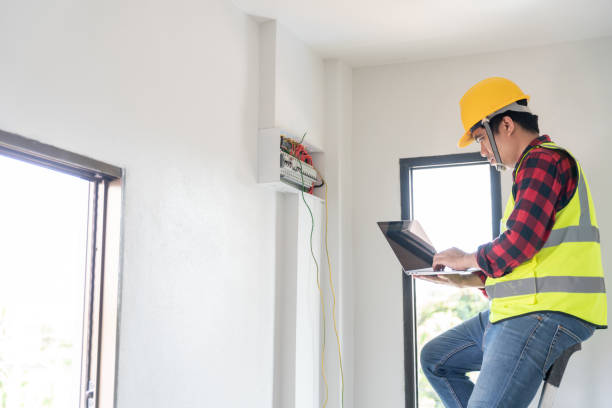
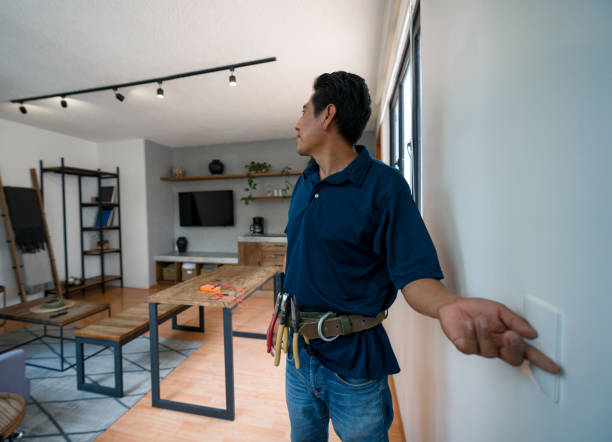

A light switch not working is more than annoying. It could point to a failing device, a tripped GFCI, or a wiring issue that needs a pro. This guide shows the five most common causes, safe checks you can try, and when to call a licensed electrician in Greater Boston. If you need help today, our same‑day team can diagnose and repair most switch issues fast.
Safety First: Before You Touch the Switch
Electricity is unforgiving. If you are unsure at any point, stop and call a licensed electrician.
Follow these basics before any check:
- Turn off the circuit at the breaker if you will remove the switch plate. Verify with a non‑contact voltage tester.
- Never work in wet areas. Dry your hands and the wall.
- If you see burn marks, smell melting plastic, or hear buzzing, call for emergency service.
Helpful code facts you should know:
- The National Electrical Code requires GFCI protection in bathrooms, kitchens, garages, basements, and outdoor outlets under NEC 210.8. If a switch controls a light on a GFCI‑protected circuit, a tripped GFCI can kill the light.
- AFCI protection is required in most living areas per NEC 210.12. Nuisance trips can appear like a bad switch when the arc‑fault breaker is actually open.
In Boston‑area homes, we often see mixed wiring vintages. Triple‑decker flats in Dorchester Center, older Victorians in Somerville and Newton, and coastal homes in Quincy can hide aging connections behind neat drywall. Humidity and salt air can corrode exterior boxes and affect indoor circuits that pass through them.
Cause 1: A Tripped Breaker or GFCI Upstream
If a light goes dead and the switch feels normal, start at the source. A tripped breaker or GFCI often looks like a bad switch.
How to check in minutes:
- Look in the electrical panel for any breaker that is neither fully on nor off. Firmly switch it off, then on.
- In kitchens, baths, garages, and outdoors, press RESET on any GFCI outlet. A bathroom GFCI can feed a hallway or fan light.
- If your home has a SPAN or similar smart panel, check the app for a tripped circuit alert.
Why this happens:
- Temporary overloads when several lights or fans share one circuit.
- Moisture intrusion tripping a GFCI near sinks or in exterior boxes.
- Aging breakers that weaken over time.
When to call:
- Breakers or GFCIs trip again within hours or days.
- You find warm breakers, a humming panel, or the labeling is unclear.
Our licensed techs test load, tighten connections, and replace weak breakers when needed. We also label panels clearly so future checks are simple for you.
Cause 2: The Switch Itself Has Failed
Toggle and dimmer switches are mechanical devices. With years of use, contacts wear out. Dimmers can also fail after powering new LED fixtures not rated for dimming.
Signs your switch is the culprit:
- The toggle feels loose, gritty, or sticks.
- Dimmers feel hot to the touch or flicker at common levels.
- The light works when you jiggle the switch, then fails again.
DIY checks you can try safely:
- Swap in a known good bulb and test. If the light still fails, the switch may be bad.
- If you are comfortable and the breaker is off, remove the plate and look for back‑wired push‑in connections that look loose. Do not touch any bare copper unless you verified power is off.
Good to know:
- Many older dimmers are not LED compatible. An LED‑rated dimmer prevents buzz and flicker.
- A failing 3‑way switch can still work from one location and fail from the other.
When we replace a switch, we use screw‑terminal connections, verify tightness, and test with your actual bulbs so performance matches your everyday use.
Cause 3: Loose or Backstabbed Wiring Connections
Even a new switch can fail if the wiring feeding it is loose. Push‑in backstab connections are common on older installs. Over time, heat cycles and vibration can loosen them.
What you might notice:
- Intermittent operation. The light works in the morning, dies at night.
- Crackling or faint arcing sound when toggling.
- Discolored or warm switch yoke or cover plate.
What a pro does:
- De‑energize the circuit and pull the device carefully.
- Inspect for overheated insulation, nicked conductors, and loose wirenuts.
- Move any push‑in conductors to screw terminals and torque to spec.
In older Boston housing stock, we also see mixed copper and aluminum pigtails from past projects. These need proper connectors and antioxidant to remain safe and code compliant. If we find brittle cloth insulation or knob‑and‑tube remnants in Newton or Cambridge remodels, we recommend targeted rewiring to remove the weak links.
Cause 4: Fixture, Bulb, or Neutral Problems
Sometimes the switch is fine. The issue is at the light, in the neutral path, or within a smart fixture.
Common culprits:
- Bulbs not fully seated or incompatible with the dimmer.
- A failed fixture driver in LED ceiling lights or under‑cabinet strips.
- A loose neutral in the ceiling box or the first device on the run.
How to narrow it down:
- Test with a fresh, known good bulb. Use a standard non‑smart bulb when diagnosing.
- If multiple lights on one switch died together, the problem might be upstream at a junction.
- Smart switches and smart bulbs do not always mix. Use one or the other to avoid ghosting and dropouts.
What we do on site:
- Meter hot, neutral, and ground at the switch and the first light.
- Inspect wirenuts and pigtails in the ceiling box.
- Check fixture ratings, especially in older cans that are not LED‑rated and may overheat drivers.
We fix the smallest thing that solves the problem, then show you the readings so you know the repair is correct.
Cause 5: Circuit or Panel Issues Beyond the Switch
If none of the above restore power, the fault may be in the branch circuit or panel.
What points to a larger issue:
- Multiple dead lights or outlets on the same floor.
- Repeated arc‑fault trips that reset, then trip again under normal use.
- Evidence of water intrusion in exterior conduits or the meter socket.
Professional solutions:
- Load testing to identify overloaded or undersized circuits.
- Breaker replacement when contacts are worn or heat‑stressed.
- Panel service or upgrade if the bus is pitted, full, or obsolete. We frequently replace FPE and other recalled panels during these calls.
For many Greater Boston homes, a panel tune‑up with new AFCI or GFCI breakers plus clear labeling eliminates nuisance trips and makes future troubleshooting faster.
Quick Homeowner Checks That Are Safe and Smart
You can try these without opening the box. If anything feels unsafe, stop and book service.
- Reset related GFCIs in bathrooms, kitchen, garage, basement, and outdoors.
- Cycle the breaker fully off, then on. Confirm the handle clicks firmly.
- Replace the bulb with a known good, non‑smart bulb.
- Remove the dimmer from the equation. Set to full bright or temporarily use a standard switch.
- Note the time, weather, and devices in use when the light failed. Patterns help us diagnose quickly.
If you rent or live in a condo, notify your property manager before opening any electrical box. In many Massachusetts towns, a licensed electrician must pull a permit for new circuits or panel work.
When to Call a Licensed Electrician
Call a pro right away if you notice any of the following:
- Heat, odor, or visible charring near the switch.
- Frequent breaker trips that disrupt daily life.
- A history of aluminum branch wiring or knob‑and‑tube in the home.
- Water leaks near exterior walls where the circuit runs.
What you get with Castle Electric Inc.:
- Same‑day troubleshooting with upfront pricing and free estimates.
- Booking Confirmation SMS, Meet Your Tech profile, and an On My Way tracking link so you are never left wondering.
- Written proposals that include a safety walkthrough, plus 0% financing options on larger projects.
Two firm credibility facts you can count on:
- Family‑owned and local since 1997 with 4.9 stars across 750+ Google reviews.
- All electricians are licensed and insured. We are Generac certified and a SPAN panel dealer for modern, code‑compliant upgrades.
Typical Costs and How We Price Switch Repairs
Every home is different, so we price by the problem, not guesswork. Here is what most homeowners can expect for light switch issues:
- Minor troubleshooting for a single device or fixture, including a basic repair or replacement, typically falls between $271 and $352.
- Standard troubleshooting when the problem is isolated to a single circuit, including a basic repair or device replacement, typically ranges from $451 to $586.
- Our $95 service call is credited on invoices over $500.
We diagnose first, explain options, and get your approval before work starts. Many repairs are completed in one visit because our trucks are stocked with common switches, dimmers, wirenuts, and breakers.
Preventing Future Switch Problems
A few practical upgrades reduce repeat issues and improve safety:
- Use LED‑rated dimmers matched to your bulbs. We label the compatible ranges for you.
- Replace worn or backstabbed switches with screw‑terminal devices and properly torqued connections.
- Add AFCI or dual‑function AFCI/GFCI breakers where required. They detect dangerous arc faults that a standard breaker cannot.
- Schedule an electrical safety inspection every few years. In older Boston housing, we catch small issues before they become outages.
- Consider a smart panel like SPAN for load visibility and better circuit management.
Our annual residential membership gives you priority scheduling, routine tune‑ups, and member‑only discounts so small issues are caught early and you are never stuck waiting when something goes wrong.
Where We Work in Greater Boston
We troubleshoot and repair light switch problems daily in Boston, Cambridge, Brockton, Quincy, Newton, Somerville, Framingham, Waltham, Taunton, and Dorchester Center. Every job in Randolph gets the same dedicated attention, no matter the size or scope.
Special Offers for Light Switch Troubleshooting
- Free Diagnostic with any recommended repair. Cannot be combined with other offers. One per household. Mention at booking. Limited time only.
- $95 service call credited on invoices over $500.
- Minor troubleshooting on a single device typically $271–$352. Standard circuit troubleshooting typically $451–$586.
Call (781) 762-9891 or book at https://www.castleelectric.biz/ and mention the Free Diagnostic offer when you schedule.
What Homeowners Are Saying
"We had a very smooth experience. The electrician was able to diagnose the problem, repair it, and install our chandelier quickly and painlessly. Jessica also helped us understand the issue clearly. We would definitely use Castle Electric again."
–Homeowner, Greater Boston
"Very positive experience all-around with Castle Electric. I was able to promptly get an appointment. Jim Jr arrived on time and was very professional and respectful of my home. He was knowledgable, thoroughly inspected the electrical throughout my home, provided a fair quote for the problem I needed fixed, and was able to complete the repairs that same day. I’d call Castle again for future needs, without any hesitation."
–Homeowner, Massachusetts
"Had a brief power surge at my house, which tripped a breaker and we were unable to reset it. ... from initial phone call to Mike's arrival, quick repair, and departure was under two hours. I would not hesitate to use Castle Electric again."
–Homeowner, South Shore
"I had an issue with my carbon monoxide system, and Jessica was excellent from start to finish. She was knowledgeable, professional, and quickly resolved the problem. She also took the time to clearly explain what caused the issue and provided helpful tips on how to identify and troubleshoot it in the future."
–Homeowner, Boston
Frequently Asked Questions
Why does my light work from one 3‑way switch but not the other?
One of the 3‑way switches likely failed or has a loose traveler wire. A licensed electrician can test continuity and replace the bad switch in minutes.
Can a bad dimmer switch cause flickering with LED bulbs?
Yes. Older dimmers are not LED compatible. Use an LED‑rated dimmer matched to your bulb type to stop flicker and buzzing.
Is it safe if my switch feels warm?
Slight warmth on a dimmer at higher loads can be normal. Heat, odor, discoloration, or noise means stop using it and call an electrician.
Could a GFCI outlet make my light stop working?
Yes. If the light is on a GFCI‑protected circuit and the GFCI trips, the light will not power on. Press RESET on nearby GFCIs to test.
Do I need a permit to replace a switch in Massachusetts?
Simple like‑for‑like switch swaps usually do not need a permit, but new wiring or new circuits do. Many towns require a licensed electrician for permitted work.
Bottom Line
A light switch not working usually traces to five causes: a tripped breaker or GFCI, a failed switch, loose connections, fixture or neutral problems, or a larger circuit issue. If you are in Greater Boston, Castle Electric Inc. can diagnose and fix your light switch not working today with clear pricing and licensed pros.
Ready to Get Your Light Back On?
Call Castle Electric Inc. at (781) 762-9891 or schedule at https://www.castleelectric.biz/. Ask for our Free Diagnostic with any recommended repair and remember the $95 service call credit on invoices over $500. Same‑day troubleshooting in Boston, Cambridge, Quincy, Newton, Somerville, and nearby. We will find the issue, fix it right, and back it with written documentation.
About Castle Electric Inc.
Since 1997, Castle Electric Inc. has served Eastern Massachusetts with licensed, insured electricians and upfront pricing. We combine local know‑how with design‑build execution, written proposals, and tech tracking that shows your pro en route. We are Generac certified and a SPAN panel dealer. Count on clean workmanship, fast scheduling, and solutions that last.
Sources12
Source links open in a new tab.
- Standard Troubleshooting or diagnostic with problem isolated to a single circuit. We shall also include a basic repair or basic device replacement. Price Range: $451.00- $586.00castleelectric.biz (opens in a new tab)
- Fee for the $95 service call is credited on invoices over $500.castleelectric.biz (opens in a new tab)
- FREE Diagnosticcastleelectric.biz (opens in a new tab)
- Claim My $50 Offcastleelectric.biz (opens in a new tab)
- Happy comment by Jennifer Hartigangoogle.com (opens in a new tab)
- Happy comment by Melanie Kleingoogle.com (opens in a new tab)
- Happy comment by Eddie Taubgoogle.com (opens in a new tab)
- Happy comment by Alexander Szewczakgoogle.com (opens in a new tab)
- Electrician Randoph MA - Emergency Electrician Near Me - Licensed Electrical Services - Electrical Repair - Electrical Installation & Replacement - Electrical Panels - Generator Installation | Castle Electriccastleelectric.biz (opens in a new tab)
- Electrician Milton MA - Emergency Electrician Near Me - Licensed Electrical Services - Electrical Repair - Electrical Installation & Replacement - Electrical Panels - Generator Installation | Castle Electriccastleelectric.biz (opens in a new tab)
- Electrician Hyde Park MA - Emergency Electrician Near Me - Licensed Electrical Services - Electrical Repair - Electrical Installation & Replacement - Electrical Panels - Generator Installation | Castle Electriccastleelectric.biz (opens in a new tab)
- Electrician Sharon MA - Emergency Electrician Near Me - Licensed Electrical Services - Electrical Repair - Electrical Installation & Replacement | Castle Electriccastleelectric.biz (opens in a new tab)